How Boston Invented First Night
An alcohol-free New Year’s Eve for artists and families started in Boston in 1975 and spread to hundreds of cities.
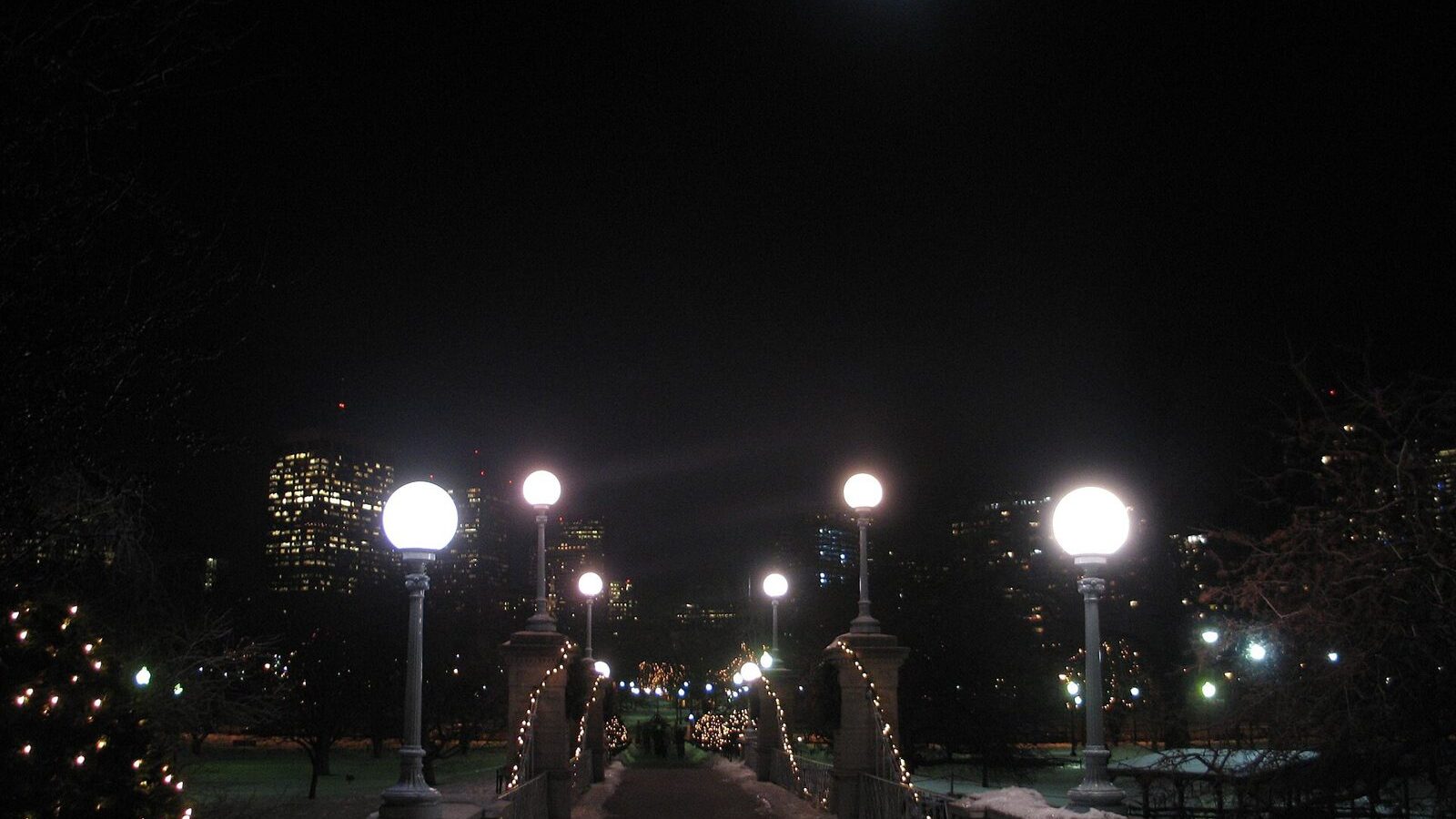
On December 31, 1975, a small group of Boston artists and musicians tried something different for New Year’s Eve. The idea, conceived by Clara Wainwright, was a citywide celebration of performances on indoor and outdoor stages, family-friendly and alcohol-free, a deliberate alternative to a night built around drinking.
It caught on. By the 1990s First Night featured more than 1,000 artists, and the free ice sculptures on Boston Common and in Copley Square became part of the tradition, along with fireworks over the harbor at midnight. More than a million people turned out in 2006.
A Boston idea that went national
Other cities copied it. By 1999 there were First Night celebrations in more than 200 cities, and more than 260 by 2000.
Near collapse, and a comeback
The nonprofit that ran First Night Boston closed in 2013 for financial reasons. Mayor Thomas Menino pledged to save it, and on November 11, 2013 announced the money had been found. In 2015 the City of Boston took over and hired an event firm to run a smaller version. The pandemic cancelled the 2020 celebration. The most recent one, welcoming 2026, was billed as the 50th.
The city hasn’t announced its plans for this New Year’s Eve yet. We’ll post them on our New Year’s Eve page as soon as they’re out.
Sources: Wikipedia: First Night, NBC Boston.